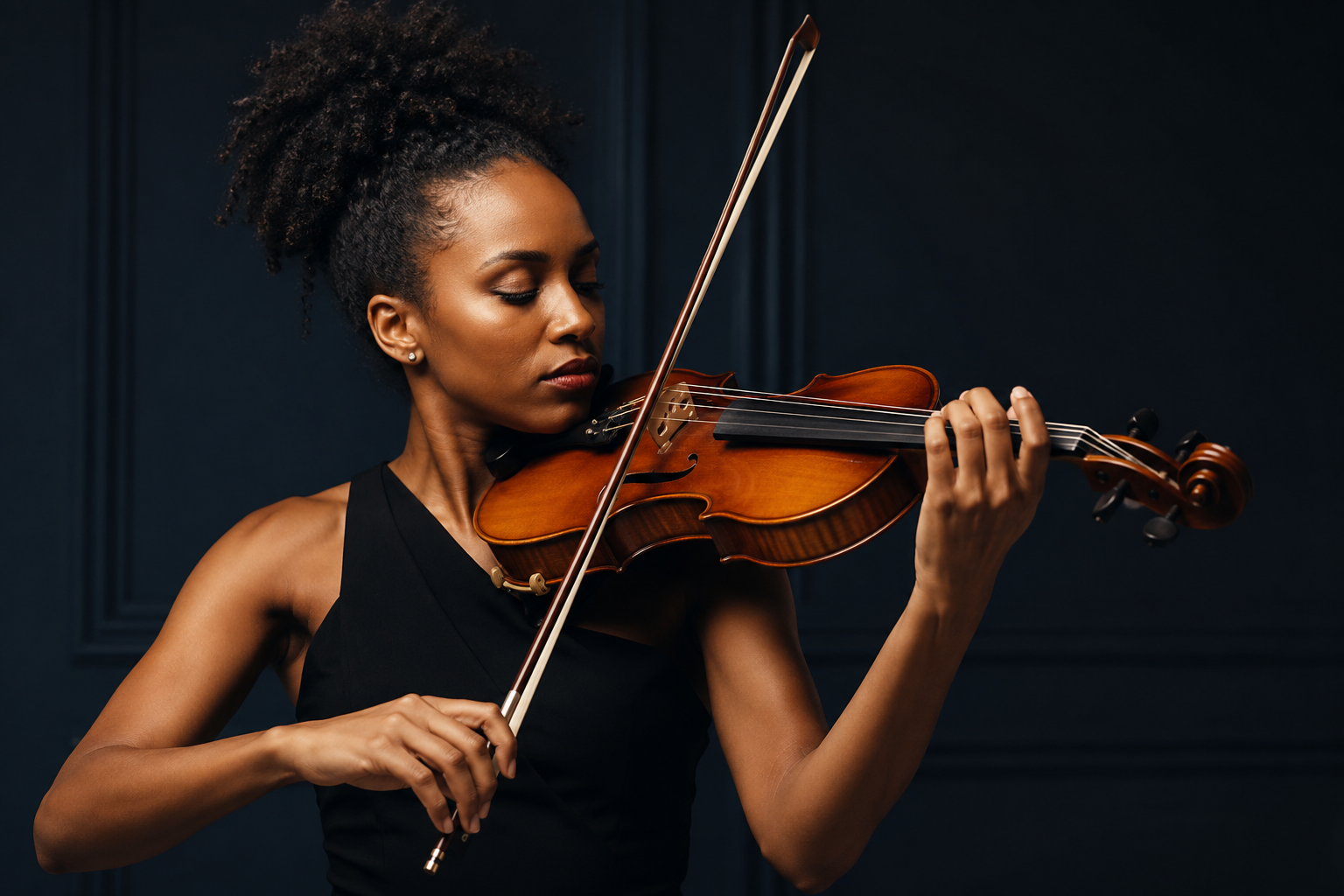
Violin
Build a secure technique, refined tone, reliable intonation, and a practice process that supports long-term artistry.
View violin lessonsLos Angeles & online
Violin, composition, and music theory instruction shaped around each student’s goals, craft, and musical imagination.
Artist-teacher
Liam Diethrich is a composer, violinist, and educator based in Los Angeles. His teaching brings Juilliard and USC training into a personal private studio setting, helping students build technique, listening, structure, and expressive purpose.
Areas of study
Students may study violin, music theory, composition, or a combination of all three. The goal is not simply to complete weekly assignments, but to build a lasting foundation in technique, listening, structure, and creative musicianship.
Build a secure technique, refined tone, reliable intonation, and a practice process that supports long-term artistry.
View violin lessons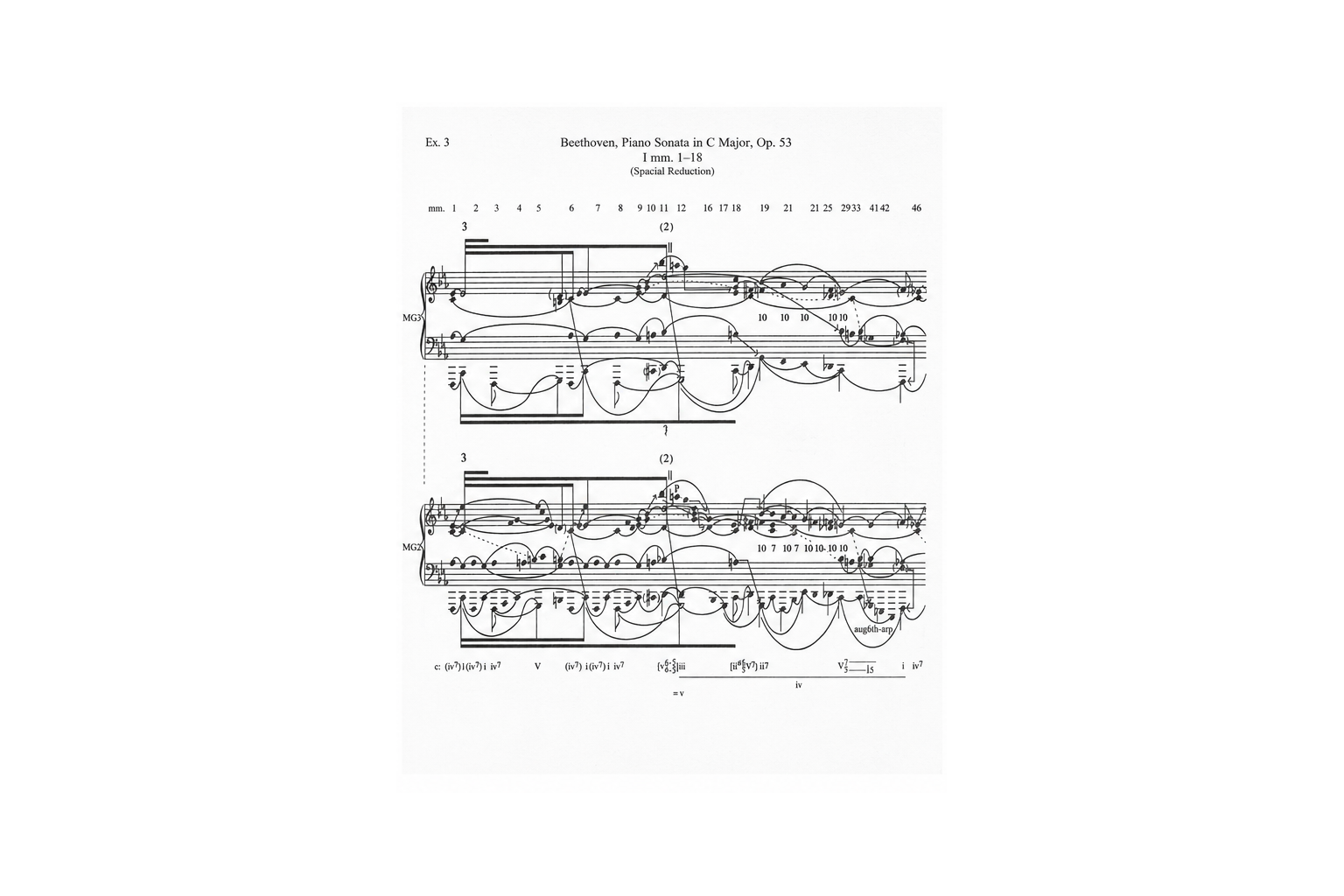
Develop fluency in harmony, counterpoint, form, ear training, and analysis — from fundamentals to AP and conservatory preparation.
View theory lessons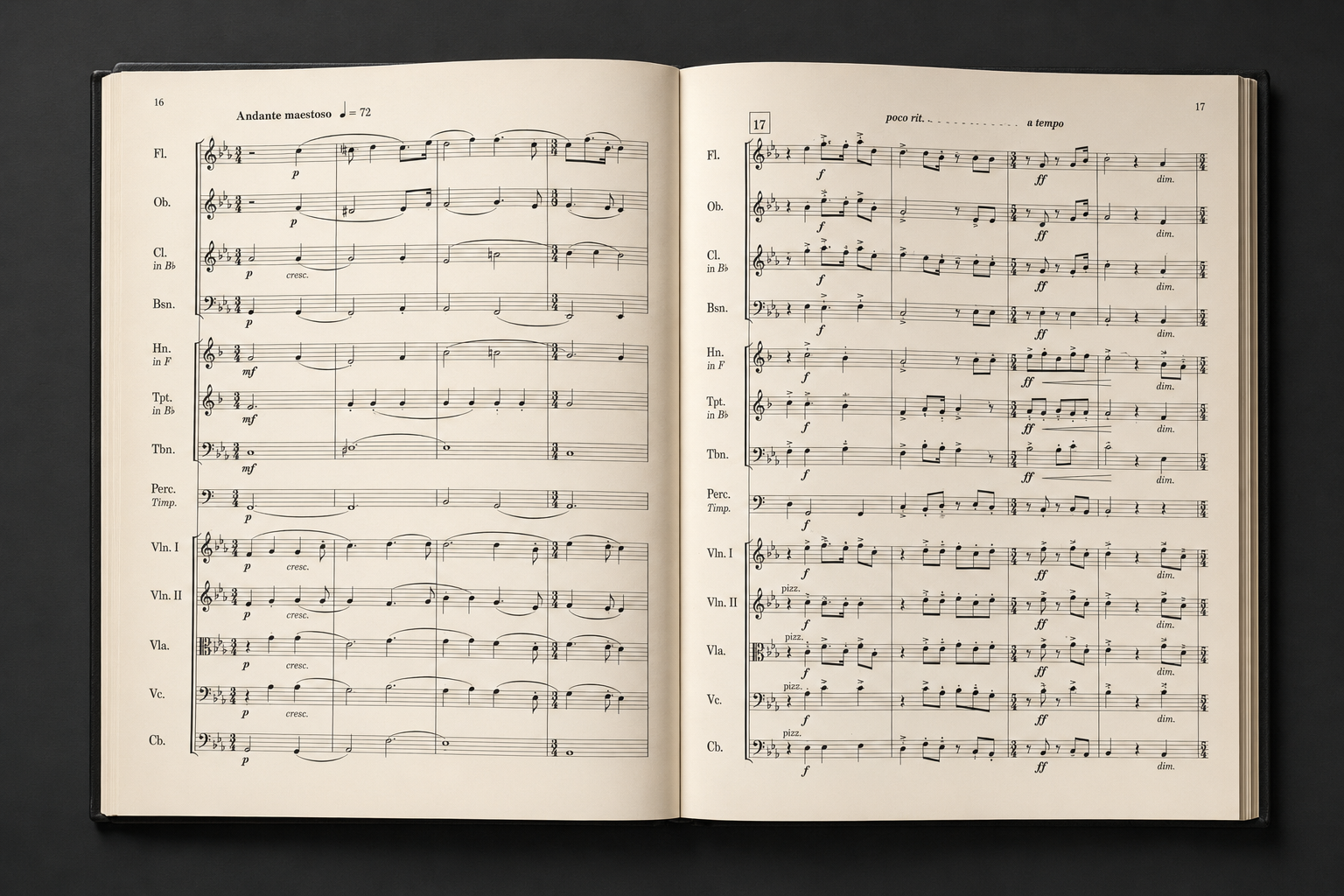
Shape original musical ideas into clear, expressive works through study of form, orchestration, notation, and feedback.
View composition lessonsTeaching approach
Every student arrives with a different combination of strengths, habits, questions, and ambitions. Lessons are precise, personal, and built around those specifics rather than a generic studio template.
Lessons begin by identifying what a student hears, understands, and physically does — then building a plan around those specifics.
Scales, analysis, and exercises are never isolated from musicianship. Every skill connects back to listening, phrasing, and interpretation.
Students receive clear practice priorities, repertoire guidance, and a sequence of concepts that build over time.
Performers learn theory and composers learn craft, so students become more complete musicians rather than narrow specialists.
Introductory lesson
Whether you are preparing for an audition, strengthening your theory foundation, beginning violin, or developing a composition portfolio, the first step is a conversation about goals, level, and fit.